
Understanding the Impact of Screen Time on Sleep
How Blue Light Affects Sleep Cycles
When Alex started working remotely, his screen time doubled overnight. Although productive, he noticed it was increasingly difficult to fall asleep. The culprit? Blue light emitted from his computer and smartphone. This high-energy light suppresses melatonin, the hormone responsible for regulating our sleep-wake cycle. Even after stepping away from his desk, his brain remained alert, mistaking the blue light exposure as daylight. This disruption delayed his internal clock, leading to restless nights and groggy mornings. Alex’s experience is familiar to many who use digital devices extensively in the evening, highlighting how blue light can interfere with the body’s natural rhythm.
The Relationship Between Screen Usage and Sleep Disorders
Jessica, a high school student, often found herself scrolling through social media late at night. Over time, her sleep became fragmented—she would wake up multiple times and feel tired during class. This scenario is common as interactive screen content stimulates the brain, making it harder to wind down. Notifications buzzing during the night further break sleep cycles, leading to poor sleep quality. Studies have linked excessive screen time with delayed sleep onset and even insomnia symptoms. Jessica’s story reflects a broader trend where screen use not only reduces sleep duration but can contribute to long-term sleep disturbances.
Setting Boundaries for Screen Usage
Creating a Digital Curfew
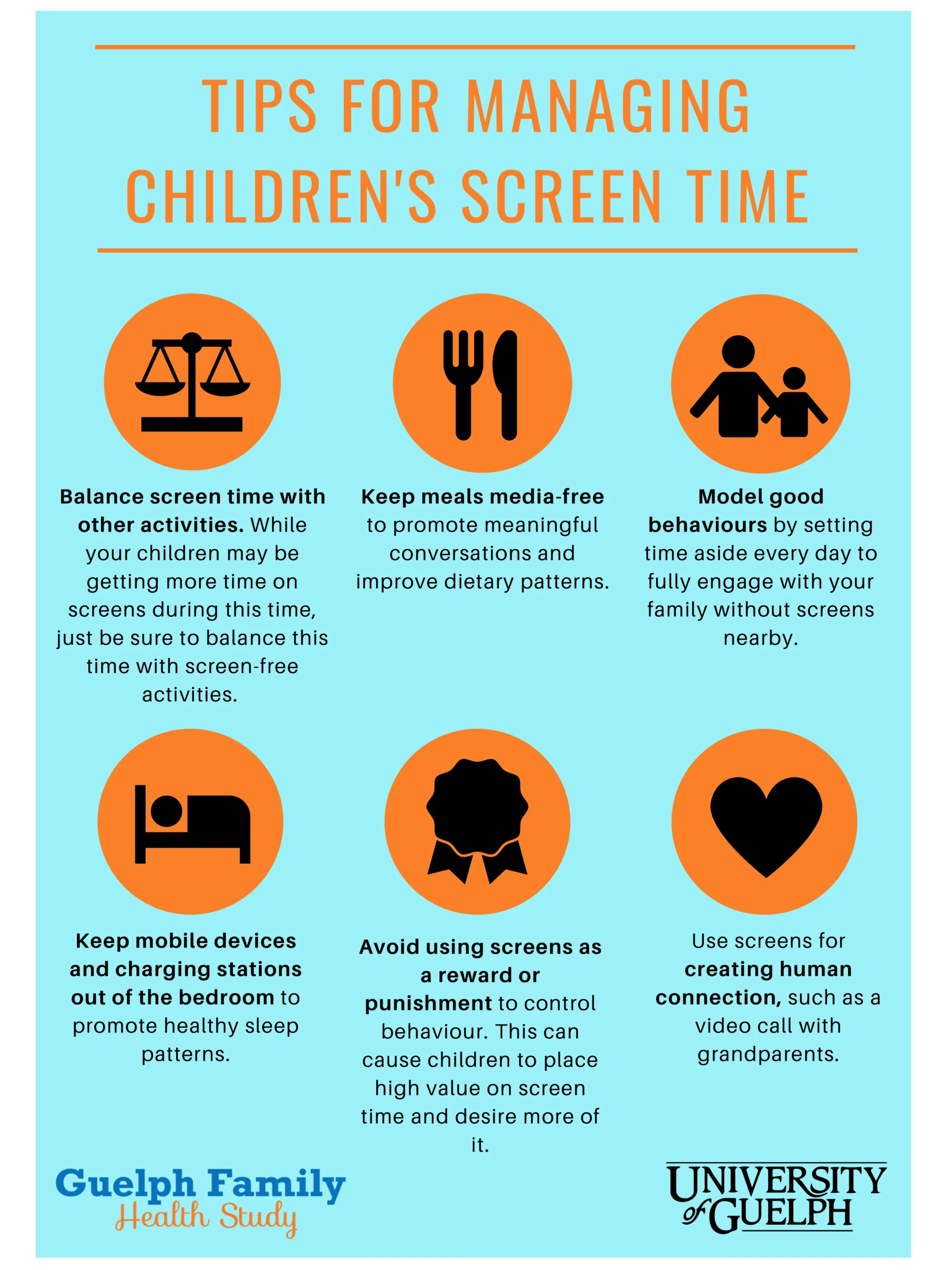
Mark and his family decided to implement a “no screens before bed” rule. Starting 60 minutes before bedtime, all devices were powered down, and chargers were left outside the bedrooms. At first, the transition was challenging, especially for Mark’s teenage daughter, who was used to late-night texting. However, after a week, the family noticed better sleep quality and a calmer bedtime atmosphere. This simple boundary empowers people to disconnect and promotes recovery time for the brain, reducing the negative effects of screen exposure on sleep.
Using Technology to Limit Technology: Apps and Tools
Ironically, technology itself can help regulate screen habits. Tools like “night mode” or “blue light filters” reduce the harshness of screen glare during evening hours. Sarah found that activating such settings made her evening reading on her tablet less disruptive. Additionally, many devices offer screen time tracking and scheduled downtime features, prompting users to take breaks or stop usage at certain hours. These tools support self-discipline and remind users when it’s time to unplug, helping balance connectivity with restful sleep.
Developing Healthy Evening Routines
Relaxation Techniques to Replace Screen Time
After work, Tom struggled to switch off from his computer. He replaced his screen time with activities like listening to soft music and practicing deep breathing exercises. These calming practices helped his mind transition from high alert to relaxation mode. Similarly, taking a warm bath or engaging in gentle yoga promotes a sense of calm, preparing the body for sleep without the stimulation that screens bring. Such routines serve as healthy substitutes that ease the mind into a restful state.
Optimal Pre-Sleep Activities for Better Rest
Instead of scrolling through social media, Emily set aside 30 minutes before bed to read a physical book. This shift from screen to print lowered her exposure to blue light and helped her wind down naturally. Other optimal activities include journaling to reflect on the day or practicing mindfulness meditation. These habits foster mental clarity and relaxation, setting the stage for a more restorative night’s sleep.
Designing a Sleep-Friendly Environment
Minimizing Electronic Distractions in the Bedroom
David realized that keeping his smartphone on the nightstand was prompting him to check notifications even during the night. He decided to make his bedroom a screen-free zone, charging devices in the living room instead. This physical separation removed temptation and reduced interruptions. Creating a sleep-friendly environment often means removing all electronic distractions, allowing the bedroom to become a sanctuary solely for rest and recovery.
Lighting and Ambiance Adjustments for Quality Sleep
Adjusting lighting in the bedroom can significantly improve sleep. Soft, warm lighting in the evening encourages melatonin production, signaling the brain that it’s time to unwind. Rebecca installed dimmable lamps and used blackout curtains to keep her room dark. These changes created a cozy and soothing ambiance, fostering deeper sleep. Such environmental tweaks complement behavioral strategies, collectively contributing to a better sleep experience.
Long-Term Habits for Balanced Screen Use and Sound Sleep
Mindfulness and Self-Monitoring Practices
Jason began keeping a sleep journal to track his screen habits and their effects on his rest. By reflecting on patterns, he became more mindful of when and how screen time interfered with his sleep. This self-awareness motivated him to adjust his evening behavior. Mindfulness techniques, such as noticing urges to check devices and consciously redirecting attention, help build lasting habits that prioritize sleep health without entirely cutting out technology.
Adjusting Work and Leisure Screen Time
With many jobs requiring prolonged computer use, balancing screen exposure is essential. Mia made a habit of taking regular breaks during work to rest her eyes and stand up. In her leisure time, she chose activities like board games or outdoor walks over additional screen use. By consciously partitioning work-related screen time from relaxation, she maintained productivity without compromising sleep quality. This balanced approach safeguards against the cumulative impact of excessive screen exposure while promoting overall well-being.


