
Understanding the Importance of a Morning Routine for Busy Parents
The Connection Between Morning Habits and Productivity
For busy parents, mornings often set the tone for the entire day. Starting the day with intentional habits can create momentum, helping to minimize stress and increase productivity. Imagine a parent who wakes up and immediately dives into a whirlwind of tasks without planning; this often leads to feeling frazzled and behind schedule. Conversely, a parent who dedicates time to a simple but consistent morning routine — like making the bed or enjoying a moment of quiet with a cup of coffee — can establish a sense of control that extends throughout their day. Morning habits, therefore, directly influence mental clarity, energy levels, and the ability to respond calmly to daily challenges.

Challenges Unique to Parents in the Morning
Mornings for parents rarely involve solitude or uninterrupted time. Getting kids fed, dressed, and out the door while preparing for work or household responsibilities creates a high-pressure environment. Unexpected events such as spills, last-minute bathroom needs, or toddler meltdowns can easily disrupt even the best-planned schedules. Additionally, juggling personal care with the needs of children often means parents sacrifice their own well-being. It’s common to see rushed mornings where hydration, breakfast, or mindfulness are skipped, all of which can negatively impact energy and focus. The constant battle between time constraints and family demands makes crafting a practical morning routine a unique challenge for parents.
Step-by-Step Guide to Crafting Your Ideal Morning Routine
Assessing Your Current Morning Patterns
The first step to a productive morning routine is understanding your existing habits. Take a few days to observe your mornings without making changes. Note the times you wake up, how long each task takes, and which moments spark frustration or delay. For example, one parent realized her mornings sped up when she tried to manage breakfast and dressing kids simultaneously, leading her to rethink task order. Identifying these pain points helps reveal realistic adjustments rather than forcing an unrealistic overhaul.
Setting Realistic and Achievable Goals
Rather than aiming to completely transform mornings overnight, set small goals that match your lifestyle. Rather than waking an hour earlier immediately, consider a 15-minute earlier start to have a quiet moment before the house wakes up. Goals like drinking a glass of water upon waking or packing lunches the night before are simple but impactful. A father shared his success only after he stopped trying to implement multiple changes at once and instead focused on one achievable improvement weekly. This approach reduces overwhelm and builds sustainable habits.
Prioritizing Tasks to Maximize Efficiency
With limited time and competing priorities, it’s vital to prioritize morning tasks. Start with essentials such as hydration, dressing, and breakfast, then layer in activities like mindfulness or exercise. For example, if your kids need the most help getting ready, prioritize preparing their clothes and setting clear expectations in advance. Efficient routines often involve prepping the night before, like laying out outfits or setting up breakfast ingredients, which frees up precious morning minutes. Streamlining these tasks minimizes chaos and builds a flow that carries through the day.
Practical Morning Routine Ideas Tailored for Parents
Quick and Healthy Breakfast Options
Breakfast doesn’t have to be complicated to be nourishing. Many parents find that preparing simple, nutrient-dense meals fuels their family and themselves effectively. For instance, overnight oats or pre-portioned smoothie packs can save time and provide a balanced mix of protein, healthy fats, and carbohydrates. One mother shared how she switched to making egg muffins on weekends, which her kids and she could quickly heat on busy mornings. Taking the time to savor the meal, even briefly, can improve mood and energy for the hours ahead.
Incorporating Mindfulness and Physical Activity
Even a few minutes of mindfulness or movement can transform a hectic morning. Some parents find doing a brief body scan or deep breathing while still in bed helps center their mind before addressing daily tasks. Others incorporate light yoga stretches or quick workouts to boost endorphins. For example, a father began waking 20 minutes earlier to do stretches and bible reading, setting a calm, positive tone. These practices don’t need to be lengthy; their benefits come from consistency and intention.
Time-Saving Hacks for Getting Kids Ready
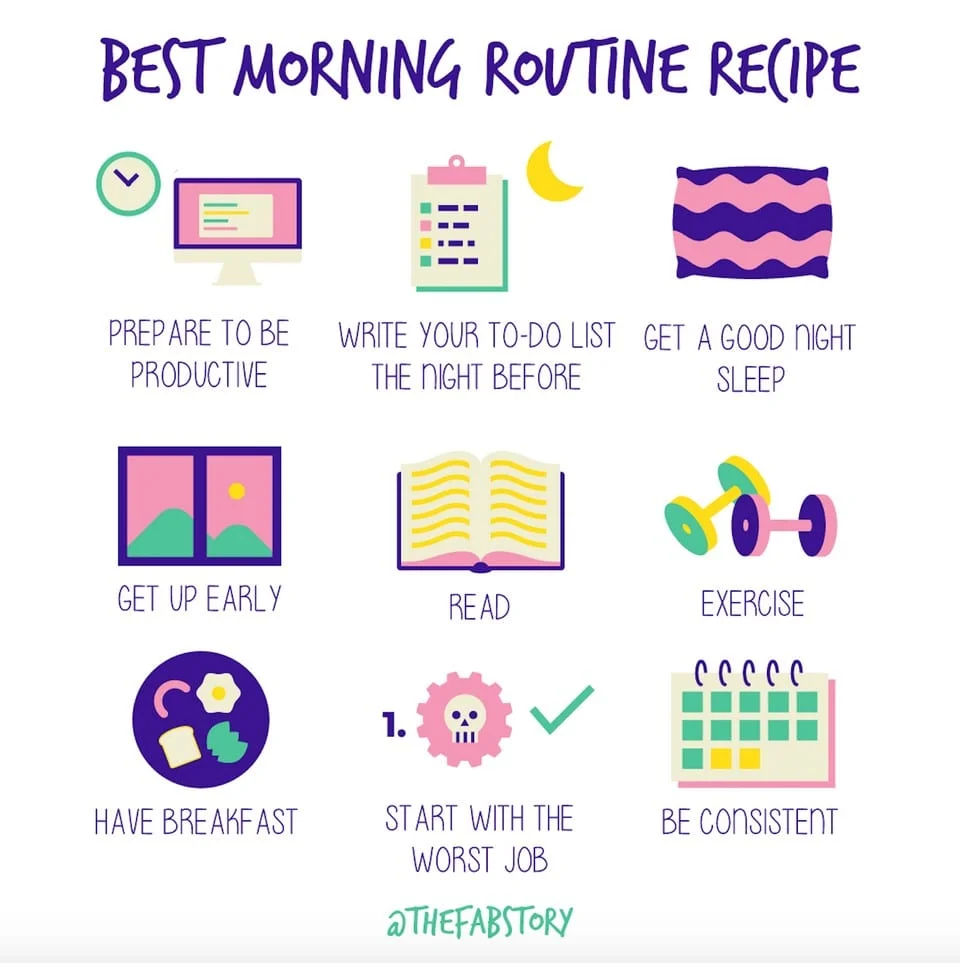
Getting kids ready is often the biggest source of morning stress. Clear routines, consistent screen time rules, and setting expectations can greatly ease the process. Using tools like timers or smart assistants to signal transitions helps children stay on track. One family used Alexa to announce wake-up times and reminders for brushing teeth, creating a fun and predictable rhythm. Preparing backpacks and clothes the night before also reduces last-minute scrambling. Small steps like these build smoother mornings and reduce parental stress.
Tech Tools and Apps to Support Your Morning Routine
Alarm and Wake-up Apps That Work
Technology can be an ally in launching productive mornings. Alarm apps with features such as gradual wake-up sounds or challenges to dismiss the alarm encourage alertness. Some parents prefer placing their phones in bathrooms to avoid the temptation of snoozing. For example, an app that requires solving a math problem before turning off the alarm helped one mom rise promptly and start her day intentionally. Choosing alarms that suit your habits can improve wakefulness and motivation.
Organizational and Task Management Tools
Task management apps and digital calendars are invaluable for busy parents trying to juggle multiple responsibilities. Tools like shared family calendars allow coordination and reminders for appointments or school activities. Some parents use checklist apps to track morning priorities, helping maintain focus and preventing forgotten tasks. Digital notes or voice assistants can even help set up coffee makers or play motivating music. When used strategically, these tools reduce mental load and support smoother mornings.
Maintaining and Adapting Your Routine Over Time
Tracking Progress and Adjusting for Flexibility
Maintaining a morning routine requires ongoing reflection and adaptations as family circumstances evolve. Tracking progress through journaling or simple habit trackers can spotlight what’s working and what needs adjustment. For instance, parents may find routines suited for preschoolers need modification as children start school with different schedules. Flexibility is key; routines should accommodate unexpected events and changes without causing stress. Adapting habits gradually and kindly is essential for long-term success.
Dealing with Setbacks and Staying Motivated
Setbacks are inevitable, especially in busy households. Children’s moods, illness, or unexpected delays can disrupt even the best plans. Recognizing these moments without self-judgment helps maintain motivation. Many parents find reminding themselves of small wins, like successfully making the bed or enjoying a moment of calm, encourages persistence. Engaging a partner or support network for encouragement or shared responsibility can also make a difference. Ultimately, viewing the morning routine as a flexible tool rather than a rigid schedule fosters resilience and ongoing productivity.


