
Understanding Minimalism in the Home Office
Defining Minimalism: More Than Just Less Stuff
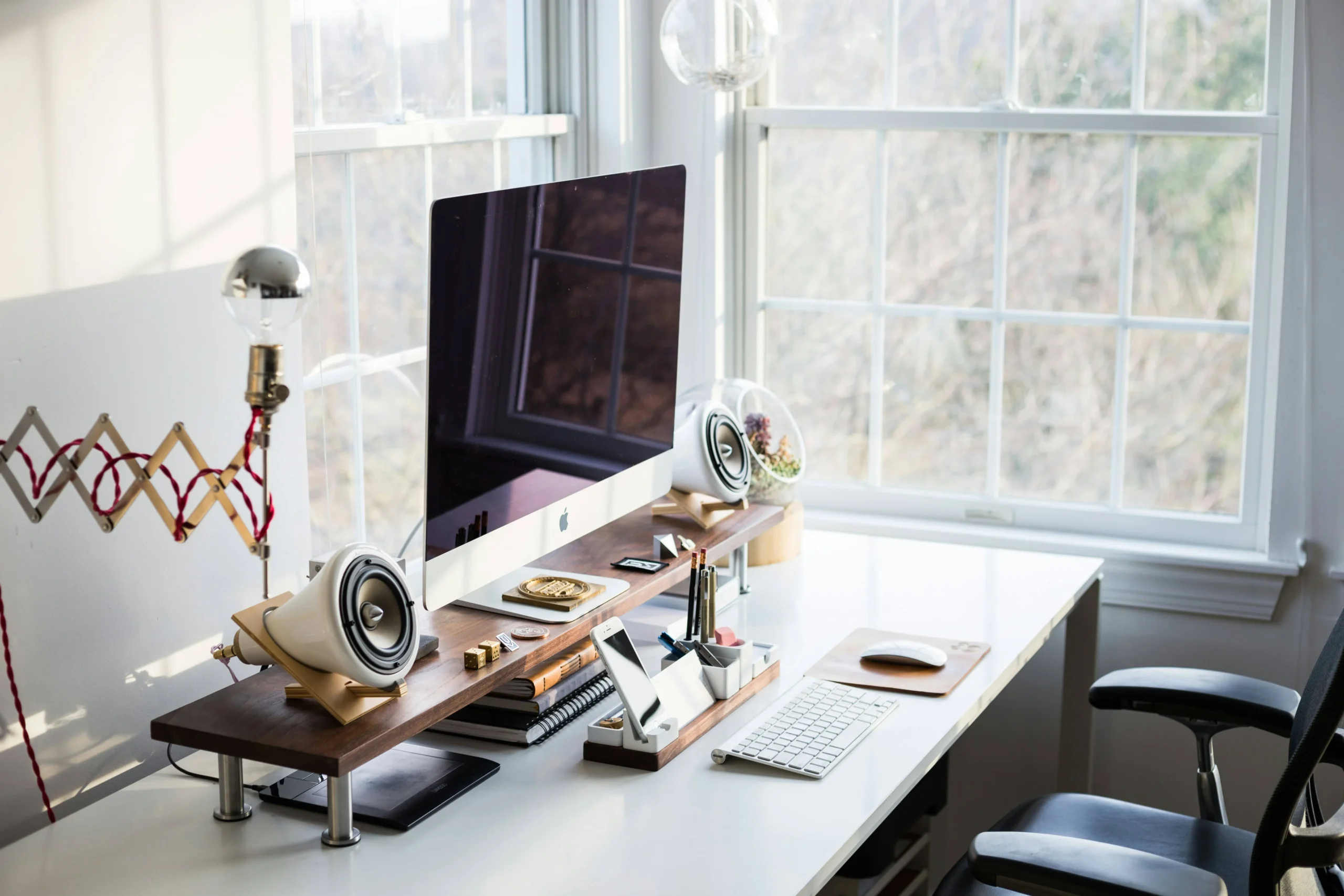
Minimalism in the home office is not simply about having fewer items. It is a deliberate approach that focuses on functional simplicity, clear organization, and intentional design. The goal is to create a space that eliminates distractions and supports productivity by keeping only what is necessary and useful. This mindset encourages thoughtful selection of furniture, tools, and decor to maintain a clean, streamlined environment.
Why Minimalism Boosts Productivity
A minimalist home office fosters clearer thinking and reduces mental clutter by removing visual distractions. When surfaces are tidy and items have designated places, it is easier to focus on tasks at hand. Minimalism also helps avoid the stress and frustration caused by searching for misplaced items or coping with chaotic workspaces. Ultimately, a calm and organized environment promotes efficiency and creativity.
Essential Elements of a Minimalist Home Office
Choosing Functional Furniture
Opt for furniture that balances simplicity and practicality. A desk with built-in storage, such as drawers or cabinets, helps keep supplies out of sight and prevents clutter. Ergonomic chairs that provide proper support improve comfort and posture, essential for long working hours. When possible, invest in adjustable furniture like sit-stand desks to promote flexibility and reduce fatigue.
Decluttering: What to Keep and What to Let Go
Regularly evaluate what you truly need in your workspace. Keep essentials like computers, notebooks, and a few pens accessible, but remove excess stationery and paperwork. Digitalize documents to reduce physical piles and recycle or file away non-urgent papers. Avoid allowing the office to become a dumping ground by creating dedicated spots for occasional items and clearing surfaces daily.
Organizational Strategies to Maintain Minimalism
Smart Storage Solutions
Vertical storage options, such as wall-mounted shelves or pegboards, maximize space without crowding your desk. Desk organizers, stationery pots, and filing trays neatly group items and keep frequently used materials within reach. Incorporating hidden storage like baskets or filing cabinets ensures clutter stays out of sight, maintaining the minimalist aesthetic.
Daily and Weekly Tidying Routines
Develop simple habits to keep your home office orderly. Each day, clear your desk of unrelated items and organize paperwork. Once a week, conduct a more thorough review of documents, supplies, and items that may no longer be needed. Consistent maintenance prevents clutter buildup and keeps your workspace inviting and efficient.
Technology Tips for Minimalist Efficiency
Streamlining Gadgets and Cables
Cable management systems are essential to hide wires and chargers that can otherwise create visual chaos. Choose cordless devices where possible and opt for attractive extension leads to reduce clutter. Utilizing features like monitor stands or laptop risers can free up desk space and position screens at ergonomic heights, contributing to a cleaner workspace.
Using Digital Tools to Reduce Physical Clutter
Leverage digital apps for note-taking, scheduling, and task management to minimize the need for physical reminders and paper notes. Cloud storage and digital filing systems reduce the need for bulky filing cabinets. Establish tech-free zones or scheduled breaks to avoid burnout and maintain a healthy balance between digital efficiency and mental rest.
Design and Aesthetic Considerations
Color Schemes that Promote Focus
Choose calming colors like soft blues, greens, or neutral tones that create a relaxed yet focused atmosphere. Avoid overwhelming the space with too many bold or vibrant hues, which can distract or increase stress. Minimal, neutral-toned accessories contribute to a cohesive and tranquil environment that supports concentrated work.
Incorporating Natural Light and Greenery
Position your desk near a window to maximize natural light, boosting mood and reducing eye strain. Complement this with soft, warm task lighting to create a comfortable ambiance. Adding a low-maintenance plant such as a succulent or snake plant introduces life and freshness, purifies the air, and enhances overall well-being in the workspace.
Maintaining Minimalism Long-Term
Mindset Shifts to Avoid Accumulating Clutter
Adopt a mindful approach to acquiring new items, prioritizing quality and necessity over quantity. Emphasize the importance of letting go of unused objects and papers regularly. Personalizing your space with meaningful but minimal decor helps maintain motivation without creating visual chaos. Consistently ask whether an item truly adds value to your workspace before keeping it.
Periodic Reviews and Adjustments to Your Space
Schedule regular assessments of your home office setup to ensure it continues to meet your needs. Adjust storage, lighting, or layout as your work habits evolve. Use tools like whiteboards or memo boards for visual planning and organization, keeping your space dynamic yet clutter-free. This practice prevents stagnation and reinforces a productive, minimalist environment.


