
Introduction to Gluten-Free Meal Prep
Why Choose Gluten-Free for Your Workweek Dinners?
Choosing gluten-free dinners is essential for many due to health conditions like celiac disease or gluten sensitivity. It can also improve digestion and energy levels for some individuals. For busy workweeks, having gluten-free meals ready avoids the stress of finding safe options, especially when dining out is limited or risky. This way, you maintain a balanced diet without compromising your health or time.
Key Benefits of Meal Prepping When Busy
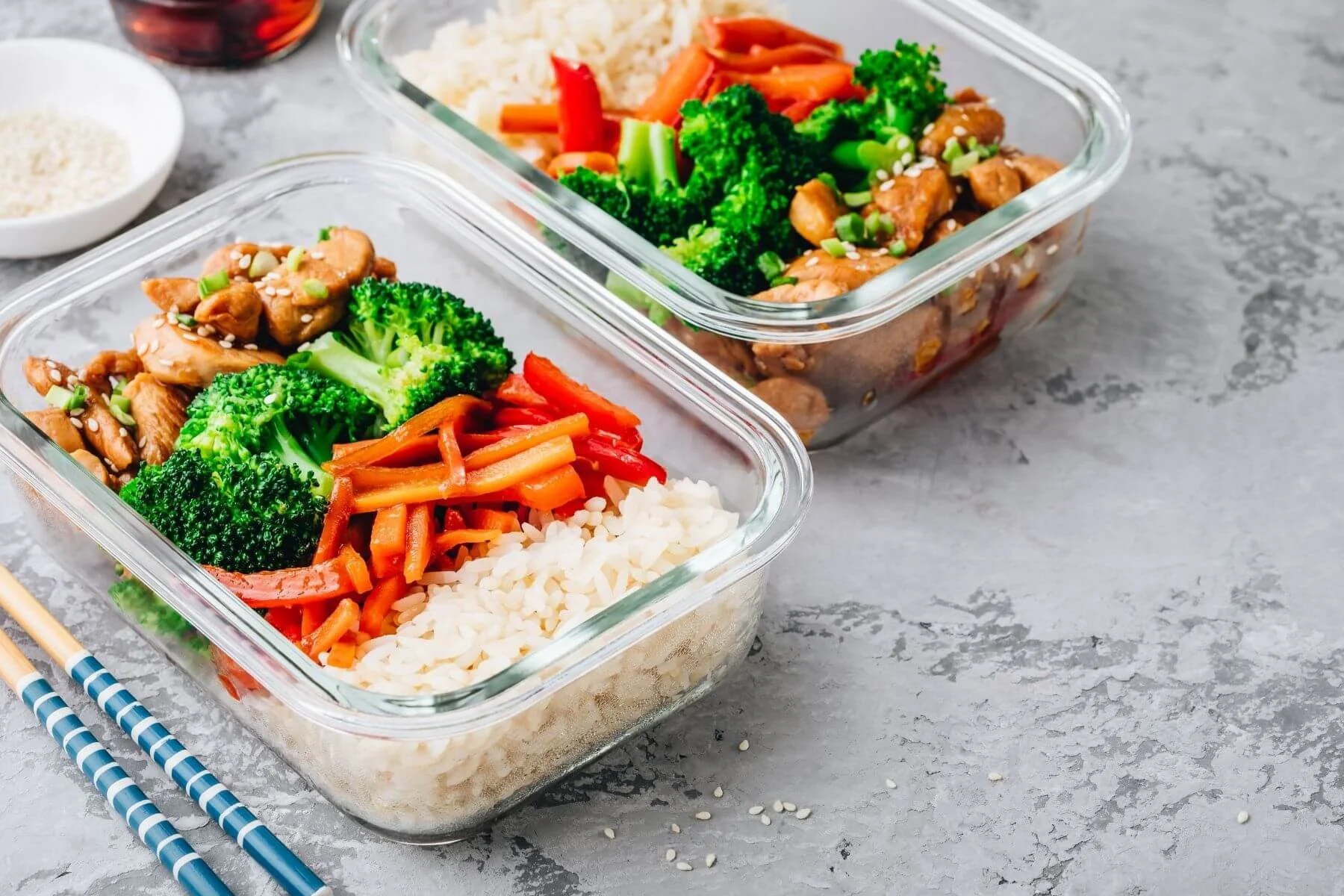
Meal prepping simplifies your evenings by removing the daily cooking guesswork. When you prepare gluten-free dinners in advance, you save time, reduce stress, and avoid last-minute unhealthy choices. It also ensures your meals are nutritious and consistent, helping you stick to your dietary goals throughout a hectic week.
Planning Your Gluten-Free Dinner Menu
Identifying Safe Gluten-Free Ingredients
Gluten is found in wheat, barley, and rye, so it’s important to select ingredients free from these grains. Focus on naturally gluten-free foods like fresh vegetables, lean proteins, rice, quinoa, and potatoes. Also, check labels of processed foods for hidden gluten. Incorporating homemade sauces made with gluten-free ingredients can enhance flavor without risk.
Balancing Nutrition and Time Efficiency
Creating meals that are both nutritious and quick to prepare is key. Include a good source of protein, healthy fats, and complex carbohydrates such as sweet potatoes or brown rice. Plan meals that reuse ingredients to save prep time, like roasted vegetables or salads that can be paired with different proteins throughout the week.
Sample Weekly Menu Ideas
For example, start the week with quinoa bowls featuring grilled chicken and roasted veggies. Midweek, enjoy a one-pot chili with beans and ground turkey. Towards the weekend, try a baked salmon with sweet potato mash. These meals can be prepped ahead and offer variety to prevent meal fatigue.
Shopping Tips for Gluten-Free Meal Prep
Creating a Smart Grocery List
Organize your list by sections such as fresh produce, proteins, pantry staples, and condiments. Include versatile items like berries, hard boiled eggs, and vegetables ideal for snacks. Having a detailed list prevents impulse buys and ensures you have everything needed for planned meals.
Best Gluten-Free Pantry Staples
Stock up on gluten-free essentials like quinoa, brown rice, gluten-free pasta, canned beans, nuts, and seeds. Keep homemade or store-bought gluten-free sauces and dressings handy to add flavor quickly. Investing in these staples makes assembling meals faster and easier.
Step-by-Step Meal Prepping Process
Batch Cooking Techniques for Busy Nights
Batch cooking involves preparing large quantities of key ingredients or meals at once. Roast a tray of assorted vegetables, cook a big pot of quinoa, or grill several chicken breasts. Portion these into containers for easy dinner assembly or reheating on busy nights, cutting down active cooking time significantly.
Storage Solutions to Keep Meals Fresh
Using high-quality, airtight containers ensures your meals stay fresh throughout the week. Invest in stackable options that fit your fridge space and maintain organization. Label containers with contents and dates to keep track and reduce waste.
Easy Gluten-Free Dinner Recipes for Your Prep
One-Pot Meals That Save Time
One-pot meals minimize cleanup and cooking time. Consider dishes like gluten-free chicken and vegetable stew or quinoa and black bean chili. These recipes require fewer dishes and can be portioned out for multiple dinners.
Make-Ahead Salads and Bowls
Salads with sturdy greens, roasted veggies, and protein can be prepped in advance. Use homemade dressings made from olive oil and balsamic vinegar to enhance flavor while keeping ingredients fresh. Grain bowls with quinoa, roasted sweet potatoes, and a boiled egg are also convenient and filling.
Slow Cooker and Instant Pot Recipes
Slow cookers and Instant Pots are excellent for hands-off cooking. Prepare gluten-free pulled pork, beef stew, or vegetable curry to have ready when you walk in the door. These devices save both cooking time and effort.
Maintaining Variety and Flavor in Your Meals
Using Herbs and Spices to Enhance Gluten-Free Dinners
Herbs and spices can transform simple dishes into flavorful meals. Fresh herbs like cilantro, parsley, and basil add brightness, while spices such as cumin, paprika, and turmeric provide depth. Experimenting with these elements keeps your meals exciting.
Rotating Recipes for a Balanced Diet
To prevent boredom and ensure nutritional balance, rotate your meal options weekly. Swap proteins, try new vegetables, and alternate cooking methods. This approach supports a well-rounded diet and keeps you motivated to maintain your gluten-free routine.
Conclusion: Staying Consistent with Gluten-Free Meal Prep
Consistency is key when adapting to gluten-free meal prep for busy workweeks. Start small, focus on prepping versatile ingredients, and gradually expand your repertoire. With smart planning, quality storage, and flavorful recipes, you can enjoy stress-free dinners that support your health and schedule.


