
Introduction to Efficient Meal Prep for Busy Parents
For working parents, managing time is a constant challenge. Meal preparation often takes a backseat amidst busy schedules, leading to stress and unhealthy food choices. Efficient meal prep offers a practical solution, enabling families to enjoy nutritious meals without spending hours in the kitchen every day. By adopting a streamlined approach, parents can reduce decision fatigue, minimize food waste, and maintain balanced diets for their loved ones.
Understanding Time Constraints for Working Parents
Common Challenges in Meal Preparation
Many working parents struggle with limited time and competing responsibilities. The mental load of coming up with meal ideas daily can be exhausting. Often, meal prep falls primarily on one parent, usually the mom, adding to the burnout. Last-minute grocery trips, multiple family members with different preferences, and the desire to serve healthy meals complicate the process further.
Setting Realistic Goals for Weekly Meals
To avoid overwhelm, it’s essential to set achievable goals. Focus on planning weekday meals only, leaving weekends flexible for spontaneity. Prioritize simple, reliable recipes and limit the number of meals to a manageable rotation. This realistic approach helps maintain consistency without overburdening yourself.
Essential Tools and Ingredients for Quick Meal Prep
Must-Have Kitchen Gadgets
Having the right tools can drastically reduce meal prep time. Slow cookers and instant pots are invaluable for hands-off cooking on busy days. Quality knives and cutting boards speed up ingredient preparation. Consider batch cooking essentials like large baking sheets and airtight containers for easy storage.
Staple Ingredients for Versatile Meals
Stock your pantry and freezer with versatile ingredients that support a variety of meals. Pre-cooked grains such as rice or quinoa, frozen vegetable mixes, canned beans, and pasta are excellent bases. Having these on hand allows quick assembly of nutritious dishes without extra trips to the store.
Creating Your Personalized Step-by-Step Meal Prep Plan
Planning Based on Family Preferences and Dietary Needs
Begin by accounting for each family member’s tastes and dietary restrictions. Choose meals your family enjoys and rotate a set of 8-10 favorites. Incorporating familiar dishes helps reduce mealtime resistance and ensures balanced nutrition throughout the week.
Time-Saving Strategies for Grocery Shopping
Before shopping, review your calendar to synchronize meals with your social and work commitments. Check your pantry and freezer to avoid duplicate purchases and minimize waste. Prepare a focused grocery list based on your meal plan, sticking strictly to the items needed to keep your budget in check.
Batch Cooking Techniques to Maximize Efficiency
Batch cooking is key for saving time. Prepare large quantities of stews, chilis, casseroles, or sheet pan meals that store well for later use. Spread out your prep sessions to prevent burnout—consider dividing tasks over several days, such as cooking grains one day and chopping vegetables another.
Sample Weekly Meal Prep Schedule for Working Parents
Day-by-Day Breakdown of Tasks
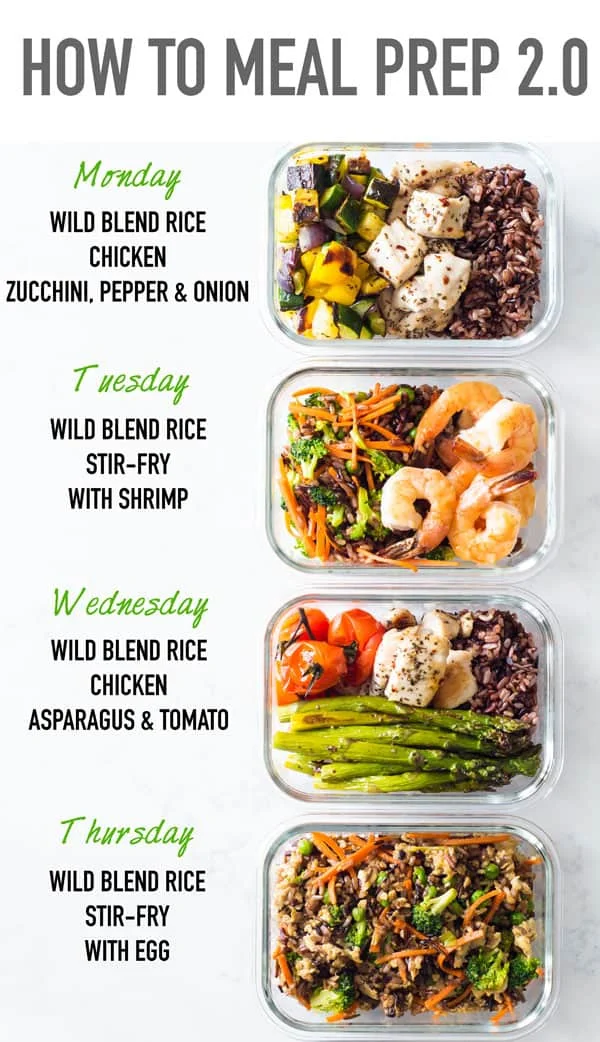
Start meal planning each Friday by deciding dinners for Monday through Friday. Shop on Saturday or Sunday, incorporating pantry staples and store sales. Use Sunday for bulk cooking: prepare a batch chili or stew and pre-cook grains. Spread simple tasks like chopping veggies or assembling snacks over other days or evenings to ease your workload.
Tips for Storing and Reheating Meals
Invest in airtight containers to keep meals fresh throughout the week. Label each with the date and contents for easy identification. Most batch-cooked dishes taste better the next day after flavors meld. Reheat meals in the microwave or stovetop, adding fresh greens or quick salads to balance textures and nutrients.
Overcoming Obstacles: Tips to Stay Consistent
Dealing with Unexpected Schedule Changes
Flexibility is vital. Keep a few quick-fix meals on hand, such as frozen casseroles or pre-made burrito bowls, for days when plans shift. Avoid planning every meal rigidly; allow space for spontaneity which reduces stress and keeps the routine sustainable.
Encouraging Family Involvement in Meal Prep
Involve your family to share the load and make mealtimes fun. Assign simple tasks to kids or partners like washing vegetables or setting the table. Collaborating on meal prep can reduce burnout and foster a sense of teamwork and appreciation around family meals.


